


Nighttime Skincare for Glowing Skin on a Budget

Stop sleeping in your makeup! First off I’m yelling at myself and then at everyone who has this bad habit. Getting your nighttime ZZZs helps every part of your body recover, especially your skin. At nighttime your skin goes into rejuvenation mode which allows for cell turnover, increased blood flow and collagen production.
When our skin is actively working on repairing the day’s damage and losing moisture (oh no), this
is the perfect time to help give it a boost with the right products and there are a lot of affordable products that will help you achieve your best skin. In this post, you’ll learn how to create a simple, budget-friendly nighttime skincare routine for glowing skin using affordable, easy-to-find products.
Why Nighttime Skincare Is So Important
Your skin works overtime to repair itself when you sleep (so there you go, reason 105 to prioritize sleep). At night skin renewal rate doubles, collagen production rises, cell damage reverses, and melatonin production rises, repairing UV-induced damage.
Having a nighttime routine that helps you tackle cleansing to remove build up from makeup, sunscreen and pollution and prepping your skin for optimal rejuvenation is very important for a glowy skin routine. You will appreciate the prep when you wake up with glowing skin.
Step-by-Step Budget Nighttime Skincare Routine
1. Makeup Removal / First Cleanse (If Needed)
Let’s start with cleansing your skin. Cleansing your skin removes makeup, oil, and environmental pollutants that can lead to clogged pores and our arch enemy… breakouts.
If you are someone with extremely dry skin and already have trouble retaining moisture, it is safe for you to skip this step but it is still recommended that you give your face a quick water rinse or use a wipe to get rid of all traces of dirt.
Common Types of Facial Cleansers:
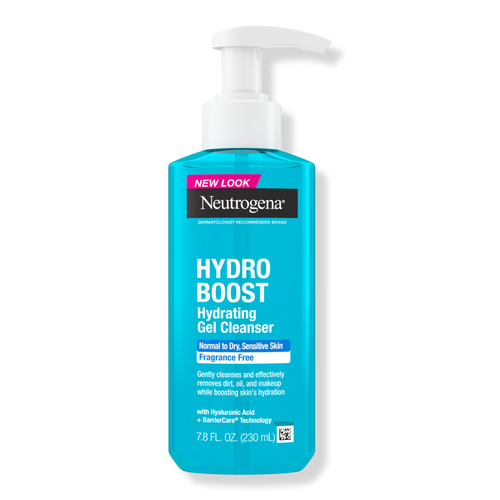
Gel Cleansers
What they are: Gel cleansers have a lightweight, jelly-like texture that feels refreshing on the skin.
How they work:They cleanse by lifting away oil, dirt, and light makeup without leaving a heavy residue. Most gel cleansers rinse clean and leave the skin feeling fresh.
Best for:
Oily or combination skin
Acne-prone skin
People who prefer a clean, lightweight feel
Warm or humid climates
Cream Cleansers
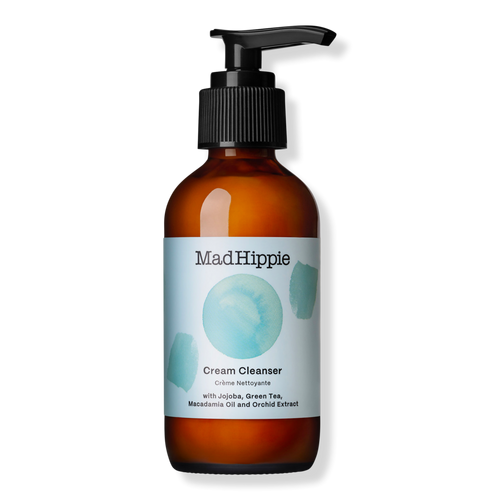
What they are:Cream cleansers have a thicker, lotion-like texture and are typically non-foaming.
How they work:They cleanse gently while helping maintain the skin’s natural moisture barrier. Instead of stripping oil, they focus on soothing and hydrating the skin.
Best for:
Dry or very dry skin
Sensitive or reactive skin
Mature skin
Anyone experiencing tightness after washing their face
Foaming Cleansers
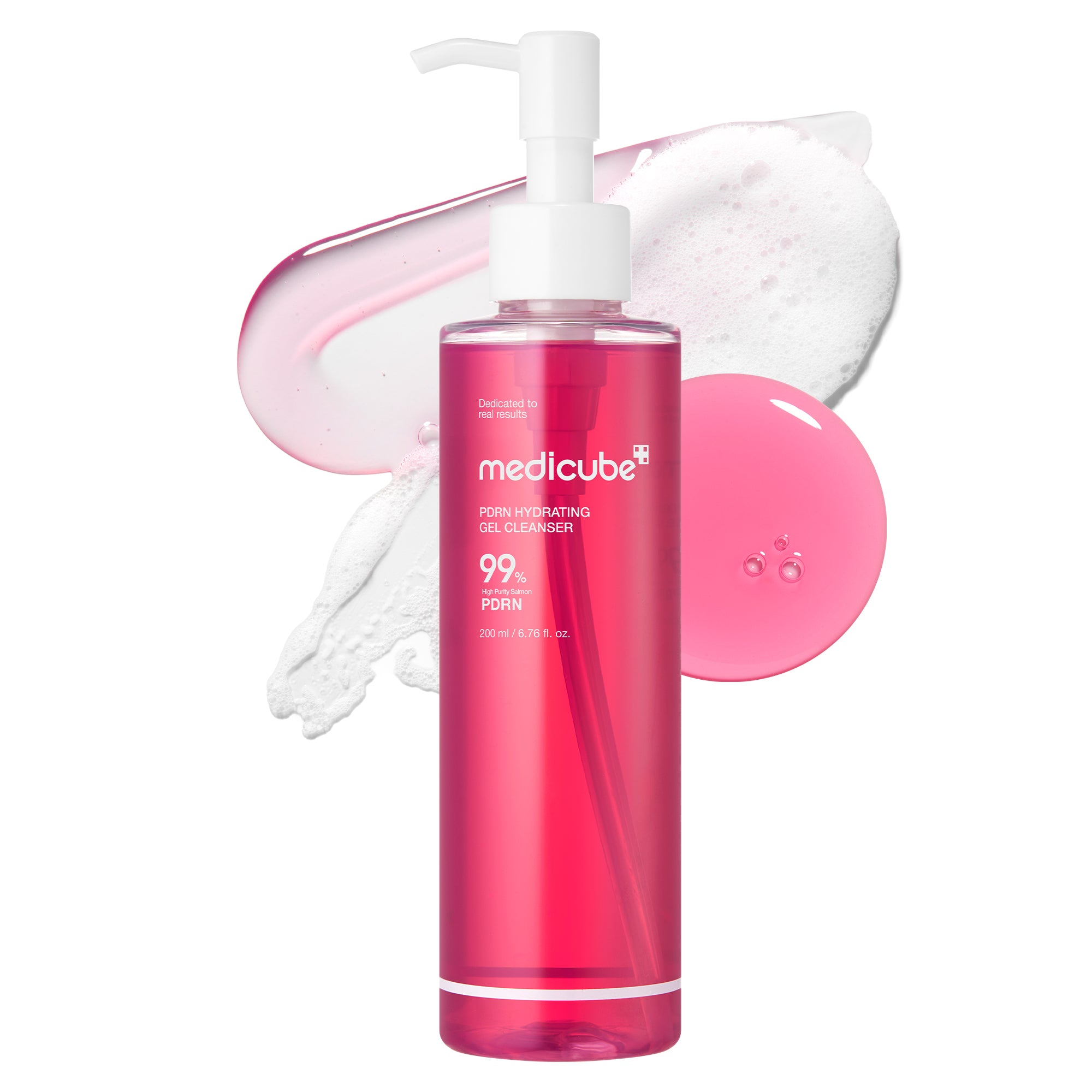
What they are:Foaming cleansers create a lather when mixed with water, either from the formula itself or via a pump.
How they work:They use surfactants to break down excess oil and debris, giving a deep-clean feeling. Some formulas can be more drying if used too often.
Best for:
Oily skin
Acne-prone skin
People who wear heavy sunscreen or makeup
Those who enjoy a “squeaky clean” feel
Oil Cleansers and Balms
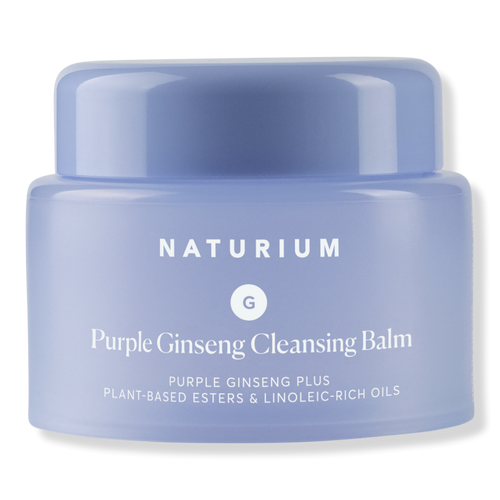
What they are:Oil cleansers are liquid oils, while cleansing balms start solid and melt into an oil on the skin.
How they work:They dissolve makeup, sunscreen, and excess oil using the principle that oil breaks down oil. When emulsified with water, they rinse away clean without clogging pores.
Best for:
All skin types (including oily and acne-prone)
Removing makeup and sunscreen
Double cleansing at night
Dry or dehydrated skin
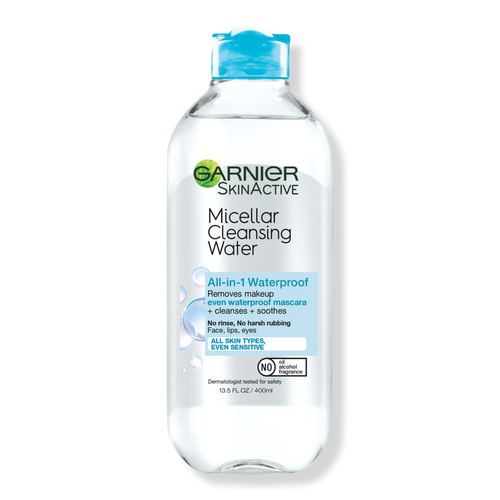
Micellar Waters
What they are:Micellar waters are gentle cleansing liquids made with micelles, tiny oil molecules suspended in water.
How they work:Micelles attract and lift away dirt, oil, and makeup without the need for rinsing (though rinsing is often recommended for sensitive skin).
Best for:
Sensitive skin
Minimal or no-makeup days
Morning cleansing
Travel or quick routines
Exfoliating Cleansers
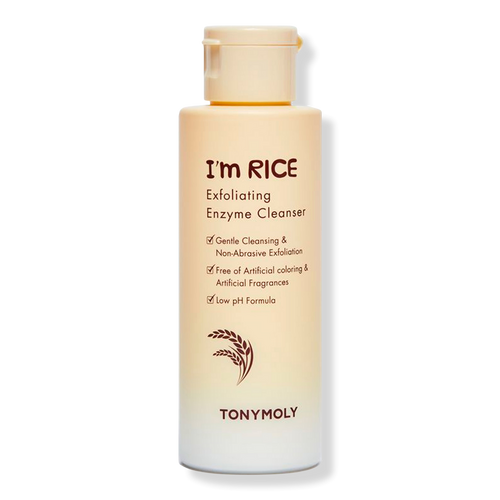
What they are:Exfoliating cleansers contain ingredients that help remove dead skin cells, either physically (scrubs) or chemically (acids like AHAs or BHAs).
How they work:They cleanse while gently exfoliating to improve skin texture and help prevent clogged pores. Overuse can disrupt the skin barrier.
Best for:
Dull or uneven skin texture
Congestion or blackheads
Occasional use (1–3 times per week, not daily)
2. Gentle Cleanser
It is important that you follow a cleansing routine that does not strip your skin of its natural oils because this disrupts your skin barrier which can lead to dry and irritated skin.
Here is a list of what you should look for in a facial cleanser regardless of your skin type;
Alcohol-free
Non-drying
Noncomedogenic (will not clog your pores)
Formulated with hydrating ingredients
3. Toner or Essence (Optional)
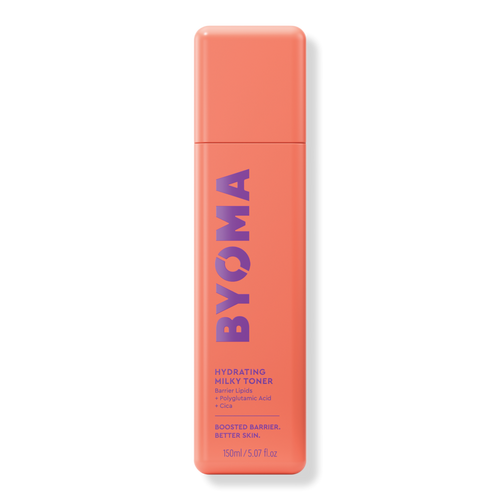
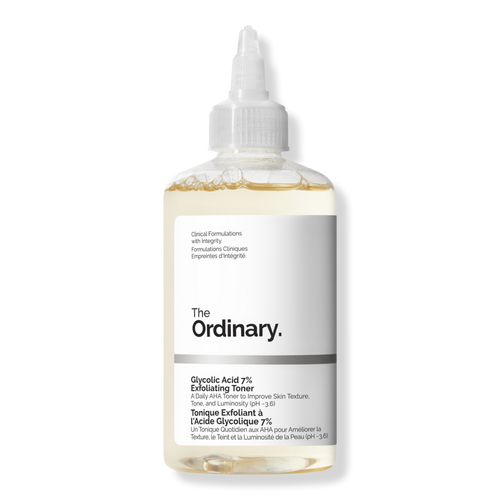
Toners are available in a water-like or milky formula. Toners are used to remove impurities after cleansing such as traces of dirt and makeup. Many toners have also been formulated to provide extra hydration, exfoliation and skin barrier support.
Exfoliating toners assist with brightening uneven skin tone and reducing the appearance of lines and wrinkles. Glycolic acid is a main ingredient in water based toners that exfoliates the skins and removes dead skin cells.
Hydrating Toners are a great option for those with drier and sensitive skin. These toners are usually milky and include ingredients that help the skin retain moisture for extra hydration.
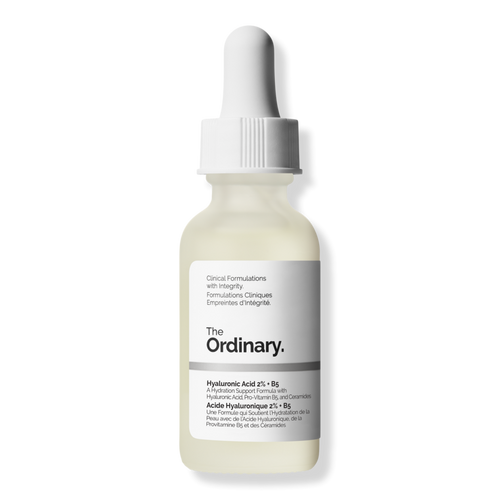
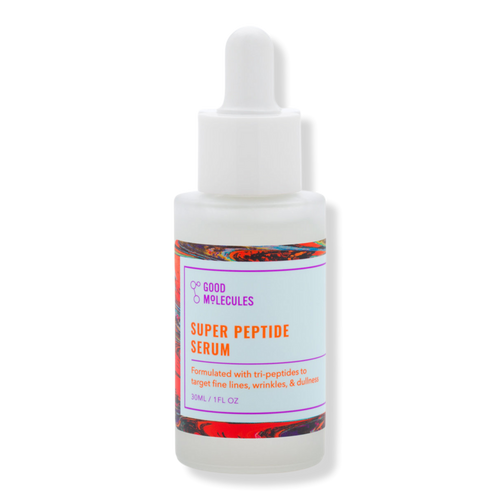
4. Treatment Serums
You're not the only thing that comes alive in the nighttime when you're out hitting the town with your friends. Your skin gets its best work done at night while you are sleeping and it goes into rejuvenation mode. This is why applying the right serums before bed will have you waking up with beautiful, plump and glowing skin. Here is a list of ingredients to look for in your budget-friendly products:
Niacinamide
Niacinamide is gentle, well-tolerated by most skin types, and easy to incorporate into any routine. It addresses multiple concerns such as uneven tone, excess oil, and a weakened skin barrier, without requiring strict usage rules. Its stability and wide availability also make it an affordable, low-risk starting point.
Retinol Alternatives
Retinol alternatives and beginner-strength retinol work well because they offer visible benefits with a lower risk of irritation. These gentler formulas allow users to ease into nighttime treatments without overwhelming the skin or disrupting the moisture barrier.
Hyaluronic Acid
Hyaluronic acid is simple to use, non-irritating, and compatible with nearly all skincare routines. It helps attract and retain moisture without requiring complex layering or specific timing. Since it’s effective at low concentrations and widely available, you can find affordable options that deliver hydration without trial-and-error.
When I first started using chemical exfoliants, I was so eager to see results that I used different active ingredients at a time, every night for days and quickly irritated my skin, When using new products that contain multiple chemical exfoliants try to cycle your products out throughout the week, if you apply a water based toner with an exfoliant on Monday skip that product on Tuesday and reintroduce it on Wednesday to give your skin time to adjust and limit irritation.
5. Eye Cream (Optional)
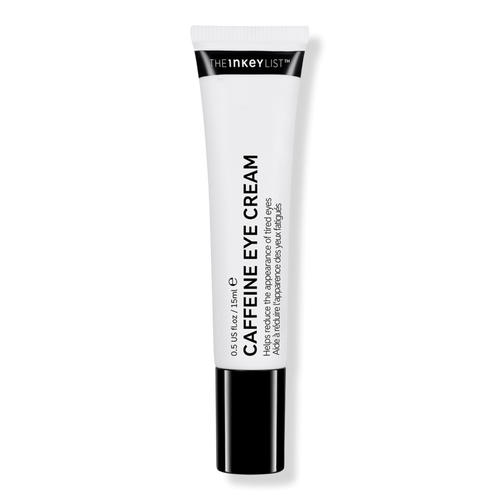
Your undereye is a very sensitive area so eye creams are typically formulated like moisturizers but have specific ingredients that cater to the delicate area. Eye creams can help with puffiness, dark circles but are generally recommended for mature skin. If you enjoy using them, and have experienced benefits from doing so, keep it going.
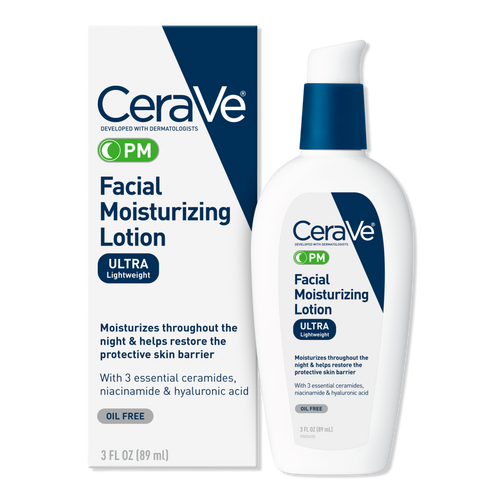
6. Moisturizer or Night Cream
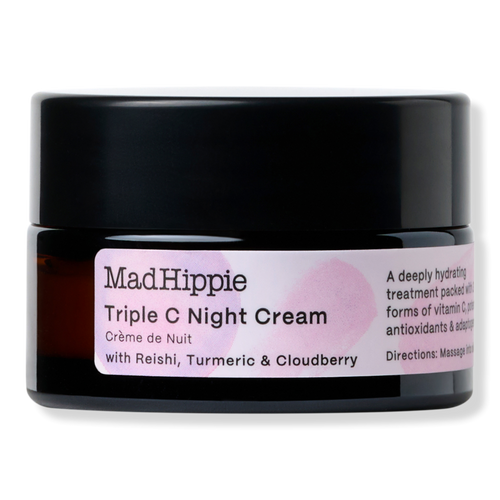
Moisturizing at night while your skin is recovering helps to lock in hydration, boost the effectiveness of active ingredients and supports skin barrier health. Long story short…moisturizing brings your nighttime skincare routine back full circle.
Lightweight vs. Richer formulas
Lightweight formulas focus on hydration without adding excess oil. They’re designed to layer easily with serums and treatments and are less likely to feel greasy or clog pores.
Richer formulas help seal in moisture and support the skin barrier, especially overnight when the skin naturally loses water. They’re particularly helpful for repairing dryness or irritation.
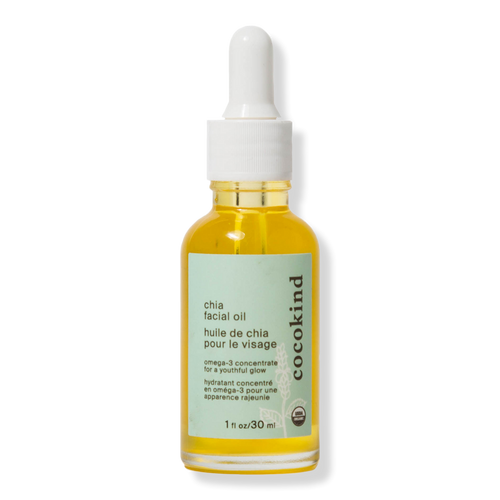
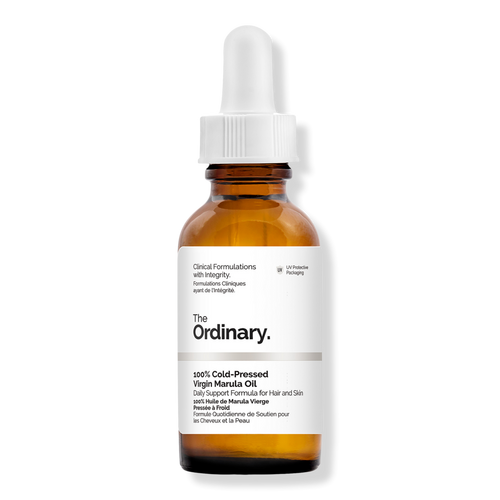
7. Facial Oil (Optional)
Face oils can help for all skin types and not just drier skin types. Oils should be applied after serums. Face oils are similar to your natural skin oils and help replenish your skin barrier.
Ingredients To Look Out For
Using budget friendly products does not mean that we should overlook safe skin practices. Here is a list of ingredients that you should avoid when buying skincare products.
Synthetic Fragrances
Synthetic fragrances are a broad category that can include dozens (or even hundreds) of undisclosed chemicals. Because companies are not required to list individual fragrance components, it’s difficult to know exactly what’s in them.
Phthalates
Phthalates are often used to help fragrances last longer. While some types are restricted or banned in certain regions, others may still be present in personal care products under the term “fragrance.” Phthalates are more commonly discussed for their potential endocrine (hormone) disruption when exposure is frequent and cumulative, though skincare exposure alone is not considered an acute risk.
Formaldehyde
Formaldehyde is a known skin sensitizer. In cosmetics, it may appear indirectly through preservatives that slowly release formaldehyde over time to prevent bacterial growth.
Sodium Lauryl Sulfate
SLS is a strong surfactant used to create foam and remove oil. While effective at cleansing, it can strip the skin of its natural oils.
Parabens
Parabens are preservatives used to prevent mold and bacteria. They are effective and widely studied, but some people prefer to avoid them due to their ability to mimic estrogen in the body. Most regulatory agencies consider parabens safe at approved concentrations, but individuals with sensitive or reactive skin may still choose paraben-free products.
Creating a Budget-Friendly Routine
One thing I have learned during my skincare journey is that results take time whether you are using high-end products or are achieving glowing skin on a budget. Do not rush the process and damage your skin barrier in the long run. Start by focusing on the essentials: cleanser, treatment, moisturizer, and sunscreen before adding optional steps. Choose multi-purpose products that address more than one concern, and prioritize consistency over quantity. Setting a realistic budget helps narrow your options and prevents impulse buying, making it easier to maintain a routine that’s both affordable and effective long-term.


Night routines feel like quiet promises to yourself, and this post captures that mood beautifully. Cleansing gently, layering simple products, then letting skin rest feels as deliberate as planning a week. Even the phrase assignment help UK crosses my mind as a metaphor for structure doing small things on time. That calm, budget-friendly wisdom shines through this blog.